The Importance of Regular Dental Visits
Visiting your dentist regularly is essential for maintaining optimal oral health. The mouth is often a window into the overall health of the body, and regular dental check-ups can help identify potential health issues before they escalate. Despite the common apprehension about dental appointments, understanding their significance can help ease your worries. If you’re looking for a way to streamline the process of finding a dentist, visit Dentee to discover a range of qualified professionals in your area.
Why You Should Visit Your Dentist Regularly?
Regular dental visits are not just about getting a cleaning; they play a crucial role in preventive health care. Dentists are trained to spot problems such as cavities, gum disease, and even signs of oral cancer during routine exams. The American Dental Association (ADA) recommends visiting the dentist at least twice a year. Those with higher risks for dental issues may need to schedule appointments more frequently.
Benefits of Early Dental Intervention
Addressing dental issues early can save you time and money. For instance, a small cavity can be filled in a quick appointment, but if left untreated, it may develop into more severe decay requiring root canals or even extractions. Early intervention can also help prevent gum disease, which is linked to more severe conditions such as heart disease and diabetes.
Patient Experience: What to Expect During Your Visit
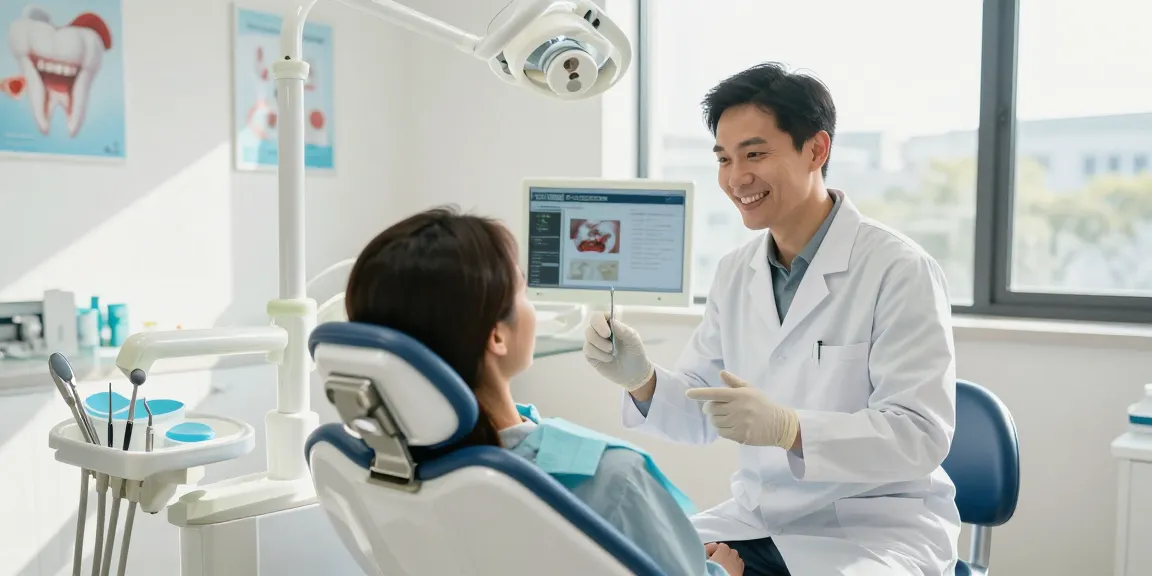
Your dental visit typically includes a review of your medical history, a comprehensive dental examination, and a discussion about any concerns you may have. Modern practices often incorporate digital X-rays, which minimize radiation exposure while still providing detailed imaging necessary for diagnosis. Dentists may also use intraoral cameras to show you real-time images of your teeth and gums.
Understanding the Costs Associated with Dental Visits
Before heading to the dentist, it’s essential to have a clear understanding of what to expect in terms of costs. Understanding the typical pricing of dental procedures and how different factors can influence those costs will help you make informed decisions about your oral health.
Typical Costs of Common Procedures
The costs of dental procedures can vary significantly depending on the complexity of the treatment and geographical location. For example, a teeth cleaning generally costs between $75 and $200, while dental fillings may range from $100 to $300. More extensive procedures, such as dental crowns or bridges, can escalate to $500 to $3,000 per tooth. Understanding these costs can help you budget for your dental care effectively.
Factors Influencing Dental Visit Pricing
Several factors influence dental pricing, including the dentist’s experience, location, and the specific technologies they employ. Urban areas tend to have higher rates compared to rural locations. Additionally, newer, technologically advanced practices may charge more due to their investment in high-quality equipment and materials, which can improve outcomes.
Insurance Coverage and Out-of-Pocket Expenses
Dental insurance plans often help cover both routine care and major procedures. However, coverage varies widely. Most plans cover preventive services such as cleanings and exams at 100%, but they may only cover a percentage of restorative procedures. It’s crucial to understand your plan’s specifics, including deductibles, co-pays, and any limits to your benefits, to avoid unexpected out-of-pocket expenses.
How to Prepare for Your Dental Visit
Preparing for your dental appointment can make the experience more efficient and enjoyable. By gathering the necessary documents and information beforehand, you can enhance the effectiveness of your consultation.
Gathering Necessary Information and Documents
Before your appointment, ensure you have your medical history, including any medications or health conditions, ready to discuss with your dentist. If you’re a new patient, it may also be beneficial to bring any previous dental records or X-rays if available.
Questions to Ask Your Dentist During the Visit
Preparing questions can help you gain clarity on your dental health. Consider asking about any findings from your exam, recommendations for treatment, and strategies for oral hygiene at home. Don’t hesitate to express any concerns, such as dental anxiety or cosmetic preferences, so your dentist can address them appropriately.
What to Bring to Your Appointment
In addition to your medical history, be sure to bring your insurance card and any necessary payment information. A list of questions and any current dental issues you are experiencing will also help guide the conversation effectively.
Making the Most of Your Dental Experience
Having a positive dental experience involves more than just the appointment itself; it encompasses your preparation and post-visit actions as well.
Tips for a Comfortable Visit
Feeling anxious before a dental visit is normal, but there are several strategies you can employ to make the experience more comfortable. Consider discussing your concerns with the dental staff before beginning the examination. They can explain procedures and help you feel more at ease. Additionally, practicing deep-breathing techniques before and during your visit can alleviate anxiety.
Understanding Treatment Options and Recommendations
During your appointment, your dentist may present various treatment options, from conservative approaches to more elaborate procedures. Understanding the pros and cons of each option will empower you to make informed decisions about your dental care. Don’t hesitate to ask for clarifications on procedures and their necessity.
How to Maintain Oral Health Post-Visit
After your appointment, maintaining your dental health is crucial. Adhering to your dentist’s recommendations for follow-up visits and at-home care can significantly enhance your oral health. Regular brushing and flossing, combined with maintaining a balanced diet low in sugar, will continue to support your dental health.
Future Trends in Dental Care: What to Expect in 2026
The dental industry is constantly evolving due to advancements in technology and changing patient needs. Staying informed about these trends can help you prepare for future dental visits and treatments.
Emerging Technologies in Dentistry
From 3D printing to augmented reality, emerging technologies are transforming how dental care is delivered. 3D printing is being used to create personalized dental products like crowns and aligners, while augmented reality can assist in planning complex procedures and enhancing patient education.
Telehealth and Remote Consultations
Telehealth services are becoming increasingly available, allowing patients to consult with dental professionals online. This can be especially beneficial for follow-up appointments or for patients who live in remote areas, increasing accessibility to dental care.
Patient-Centric Innovations in Dental Practices
More dental practices are adopting patient-centric designs, such as comfortable waiting areas, flexible scheduling, and personalized care plans that cater to individual patient needs. These innovations are aimed at improving the overall patient experience and fostering long-term relationships between dentists and patients.
What to Know About Pricing Trends for Dental Care?
As the dental field evolves, pricing is also changing. With the rise of technology and new treatment options, patients can expect varying costs. It’s crucial to stay informed about these trends and factors that might affect your dental expenses.
How Visit Trends Impact the Dental Industry?
The frequency of dental visits and how patients engage with their providers is shaping the future of dentistry. As patients become more health-conscious, the demand for preventive care is likely to increase, leading to innovations in service delivery and implementation of preventive measures.