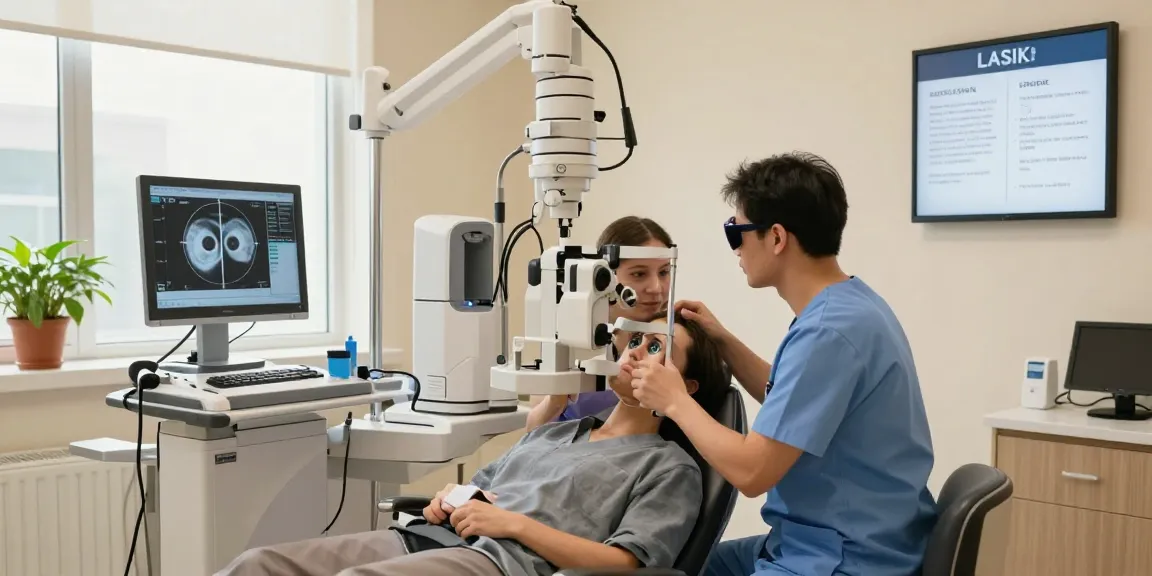
Understanding LASIK Eye Surgery in Cincinnati
LASIK eye surgery has become a cornerstone of modern vision correction, offering patients the chance to overcome refractive errors with remarkable success rates. In Cincinnati, many individuals seeking clearer vision often wonder about the effectiveness and safety of this procedure. As you explore options for lasik eye surgery cincinnati, it's essential to understand the ins and outs of LASIK and how it aligns with your vision needs.
What is LASIK Eye Surgery?
LASIK, or Laser-Assisted In Situ Keratomileusis, is a popular refractive surgical procedure designed to correct common vision problems such as myopia (nearsightedness), hyperopia (farsightedness), and astigmatism. During the procedure, a specialized laser reshapes the cornea, allowing light to be properly focused on the retina, resulting in clearer vision.
How LASIK Works: The Science Behind the Procedure
The LASIK process begins with an eye examination to evaluate the patient’s vision and overall eye health. Once deemed a suitable candidate, the surgery typically takes less than 30 minutes per eye. The surgeon uses a laser to create a thin flap in the cornea, lifts it, and then reshapes the underlying tissue with another laser, correcting the refractive error. The flap is then repositioned, allowing for rapid healing.
Patient Overview: What to Expect Before, During, and After Surgery
Before undergoing LASIK, patients are advised to follow specific guidelines, including discontinuing contact lens use for a period and attending pre-surgical consultations. During the procedure, patients might experience minimal discomfort but will be closely monitored. Post-surgery, most individuals notice an immediate improvement in vision, although complete healing may take several days to weeks.
Key Benefits of LASIK Eye Surgery
Personalized Vision Correction for Optimal Outcomes
One of the standout features of LASIK is its ability to provide personalized treatment based on the unique anatomy and vision needs of each patient. With advanced technology, such as wavefront-guided LASIK, surgeons can create a customized treatment plan that caters to individual imperfections in vision.
Minimally Invasive Procedure: Safety and Efficacy
LASIK is considered a minimally invasive procedure, and countless studies have highlighted its efficacy and safety. Most candidates can return to normal activities the very next day, with many even achieving 20/25 vision or better following the surgery.
Long-Term Results: What Patients Can Expect
Patients who undergo LASIK often enjoy long-lasting results, with many maintaining excellent vision for years. Regular follow-up appointments help ensure that vision remains stable and any arising concerns can be addressed promptly.
Caring for Your Eyes: Pre- and Post-Surgery Guidelines
Preparing for LASIK: Essential Tips for Patients
Preparation for LASIK involves several key steps. Patients are encouraged to:
- Stop wearing contact lenses at least two weeks before the surgery to ensure accurate measurements.
- Attend all pre-operative appointments to assess eye health and suitability for LASIK.
- Discuss all medications and health conditions with the surgeon to avoid complications.
Post-Operative Care: Maximizing Recovery
Following LASIK surgery, patients should adhere to post-operative care guidelines, including:
- Avoiding eye rubbing and wearing protective eyewear as advised.
- Using prescribed eye drops to reduce dryness and promote healing.
- Scheduling follow-up appointments to monitor healing progress.
Common Challenges and How to Address Them
While LASIK is generally safe, some patients may experience challenges such as dry eyes or glare. Communicating openly with your eye care professional can help manage these issues effectively. Proper hydration and the use of artificial tears are common recommendations.
Comparing LASIK with Other Vision Correction Options
ICL and Toric ICL: Advanced Solutions for Unique Needs
For patients with high levels of refractive errors or thin corneas, Implantable Collamer Lenses (ICL) or Toric ICLs offer an alternative to LASIK. These solutions involve inserting a lens between the iris and the natural lens of the eye, providing excellent vision correction without altering the cornea.
Understanding PRK and Other Alternatives
Photorefractive Keratectomy (PRK) remains another viable option for those not eligible for LASIK. In contrast to LASIK, PRK removes the outer layer of the cornea before reshaping it, which may result in a longer recovery time but can be equally effective.
Choosing the Right Procedure for Your Lifestyle
When considering vision correction, evaluating your lifestyle, professional requirements, and vision goals is critical. A detailed consultation with an ophthalmologist can help determine the most suitable treatment option tailored to your specific needs.
The Future of Eye Care: Innovations in LASIK Surgery by 2026
Emerging Technologies in Eye Surgery
As we look towards 2026, the field of eye surgery is poised for significant advancements. Innovations such as smarter LASIK techniques, enhanced laser systems, and artificial intelligence are likely to improve surgical precision, safety, and patient outcomes.
Trends in Personalized Patient Care and Experience
Personalization will continue to shape the landscape of LASIK eye surgery. Tailoring the patient experience, from initial consultations to post-operative care, will become a standard, ensuring that each individual receives comprehensive support throughout their journey.
Predictions for the Evolving Landscape of Eye Care
With ongoing research and development, the future may also see LASIK techniques becoming even more refined, potentially leading to faster recovery times and fewer complications. Patients can expect to benefit from enhanced diagnostic tools and technologies that allow for a deeper understanding of their unique eye health.
What Should Patients Know About LASIK in 2026?
By 2026, patients should be prepared to discuss their vision goals with their eye care professionals, consider the latest treatment options available, and stay informed about their eye health. With continual advancements, patients can expect a higher standard of care and more options than ever before.