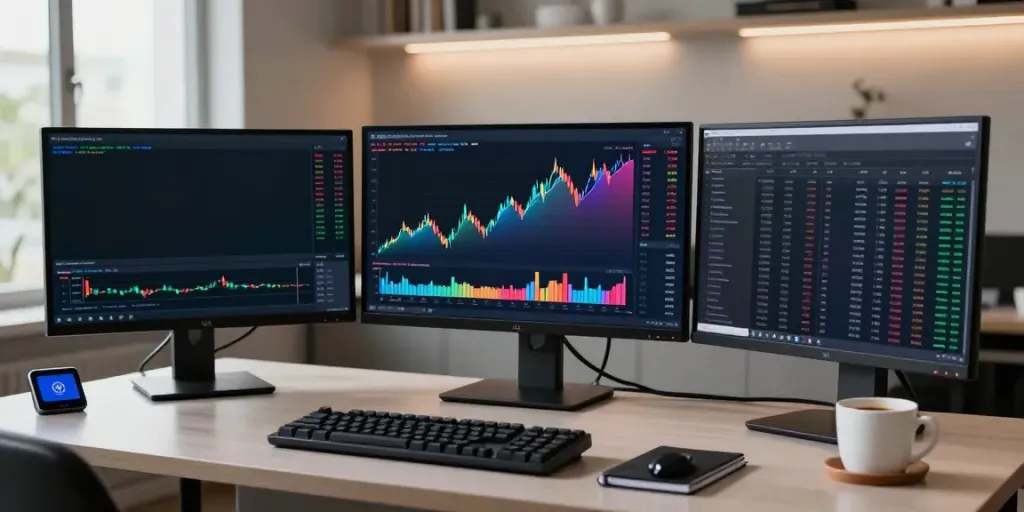
Understanding Forex Trading APIs
The fusion of blockchain technology with traditional financial markets has given rise to innovative solutions, particularly in the realm of forex trading. As digital currencies and decentralized finance (DeFi) continue to gain traction, the need for real-time, reliable data access becomes critical for traders, developers, and institutions alike. One such solution is the forex trading api, which facilitates seamless integration of financial data into various applications, enhancing efficiency and strategic decision-making.
What is a Forex Trading API?
A Forex Trading API (Application Programming Interface) is a set of protocols that allow users to access and interact with forex market data programmatically. It provides real-time information such as live exchange rates, historical data, and trading signals without the need for manual intervention. By leveraging APIs, traders can automate processes, develop custom trading strategies, and integrate market data into their applications, making it easier to respond to market changes instantly.
Key Features of Forex APIs
Forex APIs offer numerous features that cater to the needs of developers and traders. Some key functionalities include:
- Real-Time Data Access: Continuous access to live market data, enabling traders to make informed decisions swiftly.
- Historical Data: Retrieve past market data for analysis and backtesting trading strategies.
- Market Depth: Access to current buy/sell orders for specific currency pairs to gauge market liquidity.
- Technical Indicators: Built-in calculations such as Moving Averages and Relative Strength Index (RSI) to inform trading strategies.
- WebSocket Support: Real-time notifications of market events, facilitating automated trading strategies.
Real-Time vs. Historical Data Access
Understanding the distinction between real-time and historical data is crucial for effective forex trading. Real-time data allows traders to monitor price movements continuously, helping them to capitalize quickly on market volatility. In contrast, historical data is essential for backtesting strategies, conducting technical analysis, and identifying trends over time. A comprehensive forex trading API can provide both types of data, allowing traders to devise strategies based on empirical evidence while executing trades in real-time.
Getting Started with Forex Trading APIs
If you're interested in leveraging a forex trading API, the process typically involves selection, setup, and integration. Understanding these steps can make your entry into automated trading as smooth as possible.
Choosing the Right Forex API Service
Selecting the appropriate forex API service is crucial for success. Consider factors such as data accuracy, latency, security protocols, and cost. Different providers may offer distinct advantages, such as low latency access to data or robust security features. It’s essential to compare options and select one aligned with your trading objectives and budget constraints.
Setting Up Your API Environment
After selecting a suitable forex API, the next step is setting up the environment for integration. This typically involves creating an account with the API provider, obtaining the necessary authentication credentials, and configuring your development environment. Depending on the API, you may need to install libraries or tools that support API calls, such as Python libraries for accessing RESTful APIs or WebSocket connections.
Integrating Forex Data into Your Applications
With the API environment set up, developers can start integrating forex data into their applications. This might involve writing scripts to fetch real-time data, process historical data, and implement trading algorithms. It’s important to ensure that your application adheres to best practices regarding API usage and management, including proper handling of error messages and rate limits.
Advanced API Trading Strategies
Once you've integrated the forex API into your workflow, the next phase is to explore advanced trading strategies that can leverage real-time and historical data effectively.
Using Technical Indicators and Analytics
Technical analysis is integral to successful trading, and most forex trading APIs provide a range of technical indicators. Traders should familiarize themselves with indicators like Moving Averages, Bollinger Bands, and RSI to improve their decision-making process. Additionally, analytics tools can help identify patterns and signals to further guide trading strategies.
Automating Trades with Scripts and Bots
One of the most significant advantages of using a forex trading API is the ability to automate trading operations through scripts or bots. This can lead to quicker execution times and the ability to respond to market changes without human intervention. However, caution must be exercised to avoid excessive trading, which might erode capital due to transaction costs and market fees.
Risk Management Techniques in API Trading
Risk management is paramount in forex trading. Traders should utilize techniques such as stop-loss orders, which automatically exit positions at predefined loss levels, and position sizing to control overall portfolio exposure. Additionally, diversification across multiple pairs can help mitigate risk.
Securing Your Forex Trading API Connections
Security is a vital aspect of forex trading, especially when automating trades through APIs. Following best practices can help mitigate the risk of exposure to hacks or unauthorized access.
Understanding API Security Best Practices
Implementing robust security measures is critical for safeguarding your API connections. Ensuring that APIs use encryption protocols (such as HTTPS) and require API keys for access can help shield sensitive data. Regularly updating software and monitoring logs for unusual activity are also important practices.
Protecting Your Private Keys
In the world of cryptocurrency and trading APIs, managing private keys securely is vital. Use secure storage methods and avoid sharing these keys. Using hardware wallets for storing private keys, alongside regular security audits, can significantly reduce vulnerabilities.
Common Security Vulnerabilities to Avoid
Traders should be aware of potential security threats, including phishing scams and malware attacks. Ensure that you've implemented two-factor authentication (2FA) for added security and that you're using reputable software tools. Avoid public Wi-Fi networks when accessing sensitive accounts or making trades to lower the risk of interception by malicious actors.
Regulations and Compliance for Forex Trading APIs
As the forex market evolves, so do its regulations. Compliance with financial authorities is crucial for legal trading operations.
Overview of Global Forex Regulations
The forex market is subject to various regulatory bodies depending on the jurisdiction. It’s essential for forex traders, especially those using APIs, to be aware of the regulations governing trading activities in their respective regions.
Tax Implications for Forex Traders in 2026
In 2026, traders should consider the tax implications of their trading activities, including capital gains taxes on profits made from forex trading. This may vary by jurisdiction, requiring traders to consult with tax professionals to ensure compliance with local tax laws.
Staying Compliant with Financial Authorities
Regular audits and adherence to AML/KYC regulations are critical for forex trading businesses. Traders using APIs must be aware of these regulations to avoid potential penalties or revocation of trading licenses.
How to Capitalize on Market Trends?
Capitalizing on market trends requires a combination of data analysis and intuition. Leveraging historical data through your forex trading API can help identify patterns that may indicate future movements, enabling traders to make well-informed decisions.
Are Forex Trading APIs Worth It?
Forex trading APIs can significantly enhance trading efficiency and market responsiveness. For traders looking to automate and optimize their trading strategies, the benefits often outweigh the costs, especially when integrated into a larger trading framework.
Which Brokers Offer Free Forex APIs?
Many brokers now recognize the potential of forex trading APIs and offer free access to developers. Be sure to review the terms and conditions, as well as the extent of data provided, to select a broker that aligns with your needs.
How to Optimize Your API Trading Strategy?
Optimization involves constantly assessing and adjusting your trading strategies based on market conditions and performance data. Regular backtesting of automated scripts allows you to refine your approach and improve potential outcomes.
What are the Best Practices for Forex API Trading?
Implementing best practices such as maintaining updated API documentation, utilizing version control for scripts, and establishing routine performance audits can enhance the reliability of your forex trading activities.
How Do I Get Started with Automated Forex Trading?
Beginning with automated trading involves selecting a reliable forex trading API, familiarizing yourself with coding requirements, and developing a clear trading plan. Start small by trading only a few currency pairs, and refine your strategies as you gain experience and confidence.