The Nutritional Importance of Thai Ingredients
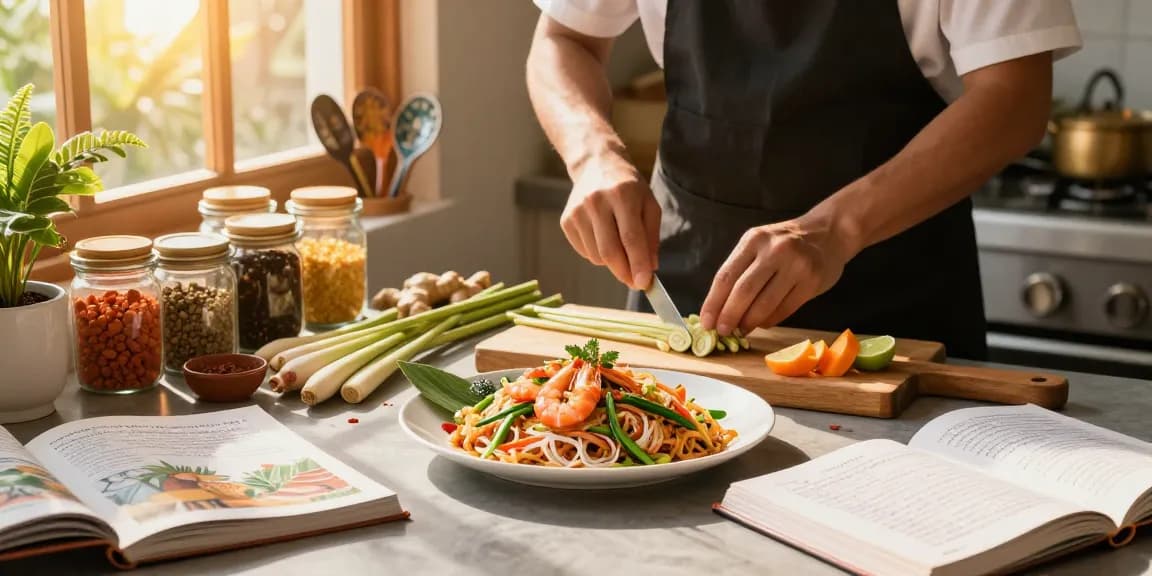
Thai cuisine is a rich tapestry of flavors, textures, and aromas, underpinned by its diverse ingredients that offer a wealth of nutritional benefits. Understanding the nutritional importance of these ingredients is essential not only for traditional cooking but also for adapting to contemporary dietary practices. For instance, integrating staple items like rice and noodles, alongside robust herbs like ginger and lemongrass, contributes significantly to both health and culinary enjoyment. When exploring options, สล็อต provides comprehensive insights into the unique properties of these ingredients and their impact on nutrition.
Understanding the Role of Protein in Thai Cuisine
Protein is a crucial macronutrient that plays a vital role in building and repairing tissues, making it essential in any diet, including Thai cuisine. Common sources of protein in Thai dishes include meats, seafood, and legumes. Foods such as chicken, pork, and fish are not only rich in protein but also contribute various vitamins and minerals.
Incorporating protein-rich foods is particularly important for maintaining energy levels and aiding in muscle recovery post-exercise. For instance, dishes like Tom Yum Goong, which features shrimp, provide both protein and a myriad of antioxidants due to its rich broth. Moreover, vegetarian options such as Pad Thai can be fortified with tofu or legumes to enhance protein content without compromising flavors.
Benefits of Herbs like Ginger and Lemongrass
Herbs are the backbone of Thai cooking, not only enhancing flavors but also offering numerous health benefits. Ginger, for instance, is renowned for its anti-inflammatory properties and its ability to aid digestion. It can be found in multiple Thai dishes, adding a zesty kick while promoting digestive health.
Lemongrass, with its unique citrus flavor, is another herb that offers antiseptic and anti-inflammatory benefits. It's often used in soups and curries, contributing to the overall healing properties of the dishes. These herbs are not just flavor enhancers; they are also packed with antioxidants, aiding the body in combating oxidative stress and inflammation.
The Impact of Rice and Noodles as Carbohydrate Sources
Carbohydrates are the main energy source in Thai cuisine, with rice and noodles serving as the foundation for many meals. Jasmine rice, a staple in Thai households, is not only aromatic but also a great source of quick energy, providing essential nutrients when paired with vegetable and protein sources.
Noodles, whether rice noodles or egg noodles, offer versatility in texture and preparation. They can be found in dishes like Pad Thai or Siam Noodles, offering a balance of complex carbohydrates that provide sustained energy. The key is to pair these carbohydrate sources with fiber-rich vegetables and proteins to create a balanced meal.
Healthy Cooking Techniques for Traditional Dishes
Cooking techniques play a critical role in the nutritional outcomes of meals. The way ingredients are prepared can either enhance or diminish their health benefits. Understanding these differences can help cooks make informed decisions when preparing traditional Thai dishes.
Steaming vs. Stir-Frying: Nutritional Outcomes
When considering cooking methods, steaming is often deemed healthier as it preserves the nutrients in vegetables more effectively than frying. For instance, steaming bok choy maintains its vibrant color and nutrient profile, making it a staple in many Thai dishes. On the other hand, stir-frying can introduce healthy oils and add flavor but requires careful attention to time and temperature to prevent nutrient loss.
Using Natural Flavor Enhancers and Seasonings
Natural seasonings, such as fish sauce and soy sauce, enhance the flavor profile of Thai dishes without the need for excessive salt or artificial flavors. These ingredients also introduce unique umami notes that can help reduce the perception of saltiness, allowing for healthier salt levels in meals. Furthermore, the use of fresh herbs and spices not only boosts flavors but also increases the antioxidant content of the dishes.
Healthier Substitutions in Classic Recipes
Adapting traditional recipes to be healthier is possible without sacrificing flavors. Substituting white rice with brown rice or quinoa can increase fiber content, while using coconut milk in moderation can provide healthful fats. Additionally, reducing sugar in sauces like nam pla wan can help manage calorie intake while still delivering the sweetness that is characteristic of Thai cuisine.
Dietary Considerations and Nutritional Balance
Balancing different macronutrients is pivotal in developing healthy eating habits. Thai cuisine, with its diverse ingredients, offers an excellent base for achieving this balance.
Managing Calorie Intake with Thai Meals
Caloric management starts with understanding portion sizes. Traditional Thai meals are often served family-style, allowing for shared dishes. This style promotes mindfulness in eating and can help prevent overeating. Incorporating a variety of dishes, rich in vegetables and lean proteins, can ensure a lower calorie intake while still feeling satisfied.
Balancing Macronutrients: Proteins, Fats, and Carbs
A well-rounded meal should ideally contain a mix of carbohydrates, proteins, and healthy fats. A typical Thai meal might include brown rice, grilled chicken, and a side of stir-fried vegetables, ensuring that all macronutrients are present. Utilizing cooking methods like baking or grilling can also help manage fat content while maintaining flavor.
The Role of Fiber-Rich Ingredients in Thai Dishes
Fiber is often overlooked but is crucial for good digestive health. Incorporating fiber-rich ingredients like beans, lentils, and whole fruits and vegetables into meals can promote satiety and a healthy digestive system. Dishes like Som Tum (green papaya salad) offer a perfect combination of fiber and essential nutrients while keeping calorie counts in check.
Food Trends in Thailand and Their Global Influence
The culinary landscape is ever-evolving, with new trends emerging that reflect health consciousness and global influences, impacting how Thai cuisine is perceived and enjoyed both locally and internationally.
Emerging Health Trends in 2026
As we look forward to 2026, emerging health trends in Thai cuisine will likely focus more on plant-based dishes and sustainable ingredients. The demand for vegetarian and vegan options is increasing, with many traditional dishes being adapted to suit this palette, all while retaining the authentic flavors that define Thai cooking.
Fusion Cuisine: Blending Thai with Global Flavors
Fusion cuisine is gaining traction as chefs experiment with blending traditional Thai flavors with international cuisines. Dishes like Thai tacos or curry-infused pizzas are becoming popular, showcasing how Thai ingredients can be integrated into various culinary discussions while appealing to a broader audience.
Exploring Plant-Based Thai Recipes
Going plant-based doesn't mean sacrificing the essence of Thai flavors. Recipes that highlight legumes, vegetables, and plant-based proteins can create fulfilling meals. Dishes such as Thai Green Curry with tofu provide a satisfying, nutrient-rich option that caters to health-conscious eaters.
Engaging with Food Culture and Community
Food in Thailand extends beyond nutrition; it is an anchor for cultural identity and community bonding. Engaging with food culture can enhance appreciation and understanding of the rich traditions that accompany Thai cuisine.
The Social Aspects of Dining in Thai Culture
Dining in Thailand is deeply social, often involving family and friends gathered around a table sharing meals. This communal approach enhances the dining experience, fostering connections and encouraging the sharing of stories and traditions alongside food.
Participating in Local Food Festivals
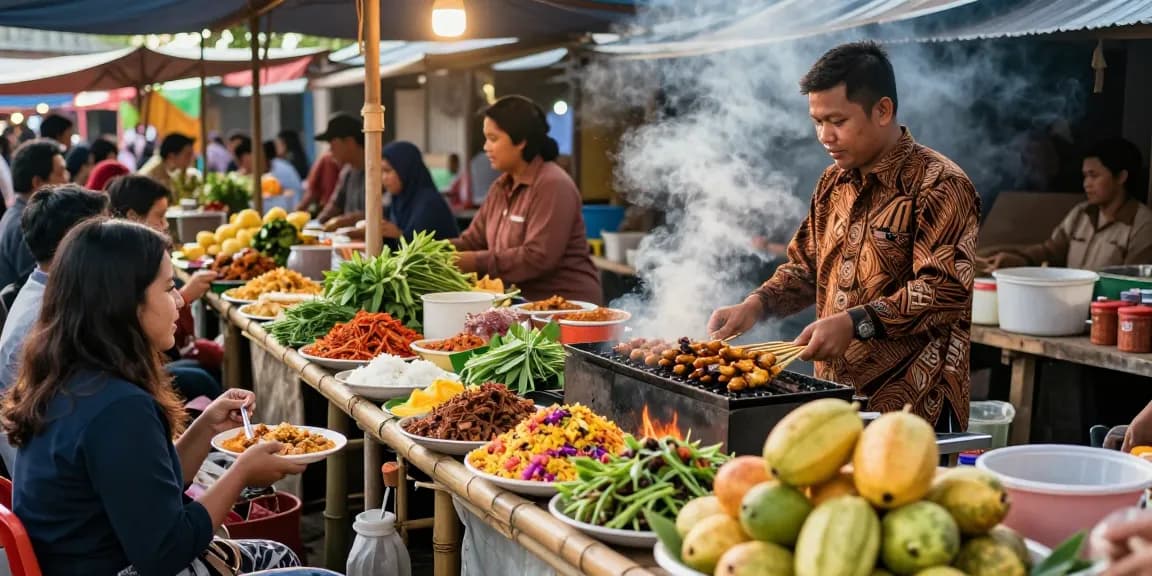
Local food festivals are an excellent way to immerse oneself in Thai culture while exploring the myriad culinary offerings. Festivals often highlight regional specialties and provide insight into seasonal ingredients and traditional cooking practices.
Connecting with Online Thai Cooking Communities
In the digital age, many enthusiasts connect through online platforms dedicated to Thai cooking. These communities share recipes, culinary tips, and personal experiences, allowing individuals to explore Thai cuisine from the comfort of their kitchens, no matter where they are located.
What are the health benefits of Pad Thai?
Pad Thai, a beloved street food, typically features rice noodles, a protein source, and a mix of vegetables. Its balance of carbohydrates, proteins, and fats makes it a well-rounded meal. Incorporating vegetables can enhance its fiber content, contributing to better digestive health.
How can traditional Thai recipes be adapted for dietary restrictions?
Adapting traditional recipes for dietary restrictions is feasible by substituting certain ingredients. For example, using gluten-free noodles for those with gluten intolerance can maintain the dish's integrity while catering to dietary needs.
What are the most essential ingredients in Thai cooking?
Essential ingredients in Thai cooking include fish sauce, lemongrass, Thai basil, and chili. These ingredients provide the backbone of flavor and are integral to creating authentic Thai dishes.
How to balance flavors in Thai cuisine?
Balancing flavors in Thai cuisine typically involves achieving a harmonious blend of sweet, sour, salty, and spicy elements. This balance is key to the authentic experience of Thai dishes, ensuring that no one flavor overpowers the others.
What trends are shaping Thai food in the coming years?
In the coming years, the trend of incorporating healthy, sustainable ingredients will likely continue to shape Thai food. Awareness about nutrition and food sourcing has prompted chefs to rethink traditional recipes, leading to innovative and health-conscious adaptations.