
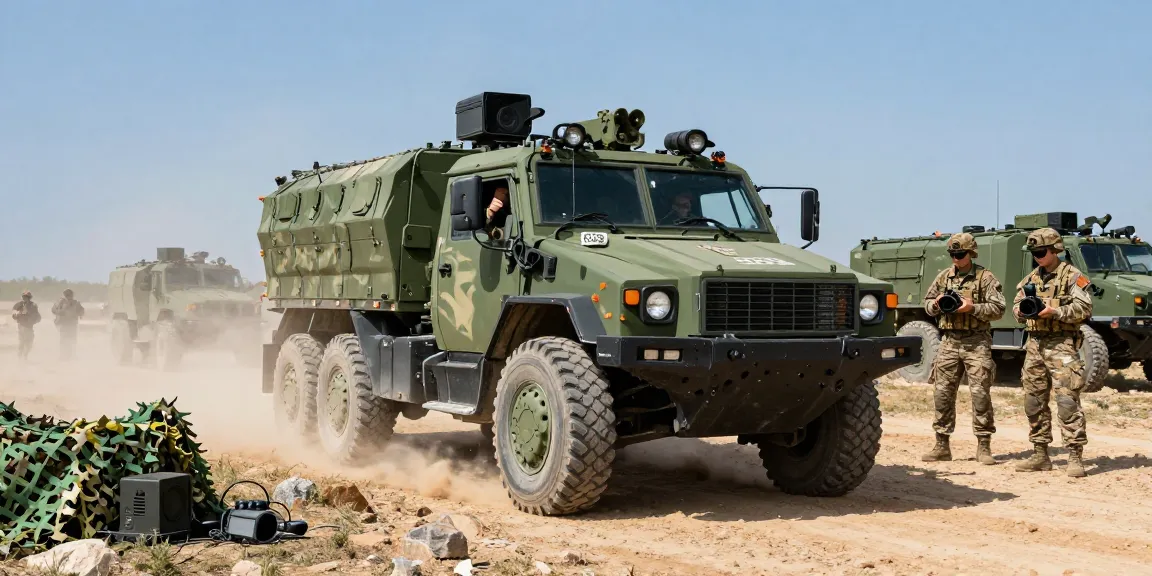
Understanding the Role of 88M Motor Transport Operators
The role of an 88M Motor Transport Operator in the U.S. Army is vital for maintaining the efficiency of military logistics and transport systems. As the backbone of the Army’s transportation logistics team, these operators are responsible for the safe and effective transportation of troops, equipment, and supplies across diverse terrains and under various operational conditions. With a focus on enhancing their skills and incorporating modern technologies, 88M operators are positioned to address the challenges of modern military transportation in 2026 and beyond. When exploring options, 88m provides comprehensive insights into the responsibilities and expectations of this critical military occupation.
What is the 88M MOS and its Importance?
The 88M Military Occupational Specialty (MOS) stands for Motor Transport Operator, which encapsulates a role that is not only essential but also varied. The importance of the 88M MOS stems from its direct impact on operational readiness and mission success. These operators ensure that personnel and cargo are transported efficiently, which can make a significant difference during both training exercises and actual combat scenarios.
Moreover, the role is crucial for supporting non-combat missions as well, including humanitarian efforts and disaster relief operations. As the Army continues to modernize and adapt to new threats, the demand for versatile and highly skilled motor transport operators will only increase, solidifying the necessity of the 88M MOS in contemporary military operations.
Key Responsibilities of an 88M Operator
An 88M Operator has a variety of responsibilities that encompass both driving and logistical management. Key tasks include:
- Operating tactical wheeled vehicles, including trucks and armored vehicles.
- Loading and unloading cargo effectively and safely.
- Performing basic maintenance and troubleshooting of vehicles.
- Supervising transportation operations and ensuring compliance with safety protocols.
- Coordinating with other military units for efficient transportation logistics.
In addition to these core duties, 88M Operators may also be required to lead teams, manage logistical planning, and participate in training exercises that test their skills in real-world scenarios.
Training and Certification for 88M Operators
Overview of Basic Combat Training for 88M
All soldiers in the U.S. Army must first complete Basic Combat Training (BCT). For 88M Operators, this training establishes a foundation in military discipline, physical fitness, and teamwork. During BCT, recruits learn essential skills such as navigation, communication, and basic first aid, which are all vital for performing effectively in their future roles. The rigorous environment of BCT also builds mental resilience, preparing recruits for the challenges they will face as soldiers.
Advanced Individual Training (AIT) for Motor Transport Operators
Once Basic Combat Training is completed, aspiring 88M Operators undergo Advanced Individual Training (AIT), which focuses specifically on the skills necessary for the Motor Transport Operator role. AIT typically lasts about six weeks and covers:
- Vehicle operation under different conditions.
- Logistics planning and execution.
- Vehicle maintenance and troubleshooting.
- Safety protocols and regulations.
This specialized training ensures that 88M Operators are well-equipped to handle the demanding situations they may encounter on duty.
Essential Certifications and Qualifications
In addition to training, certain certifications are beneficial for 88M Operators. These include:
- Commercial Driver’s License (CDL): Validates the ability to operate commercial vehicles, important for logistics roles.
- Heavy Equipment Operator Certification: While not mandatory, it enhances the operator’s qualifications.
- Safety and Hazmat Training: Essential for handling hazardous materials during transport.
Acquiring these qualifications not only prepares the operators for their responsibilities but also enhances their career prospects within the Army and in civilian life after service.
88M Equipment and Vehicle Familiarization
Types of Vehicles Operated by 88M
88M Operators are trained to operate a wide range of vehicles, including:
- Light Medium Tactical Vehicles (LMTVs)
- Heavy Expanded Mobility Tactical Trucks (HEMTTs)
- Military trailers and cargo transport platforms
- All-terrain vehicles for specialized missions
Familiarity with these vehicles is crucial as different missions may require different vehicles, and operators must be adept at switching between them seamlessly.
Maintenance and Safety Protocols
Maintaining vehicles is a key aspect of an 88M Operator’s responsibilities. Operators must conduct regular inspections and perform basic maintenance tasks to ensure vehicles are operational. This includes:
- Checking fluid levels and tire pressure.
- Cleaning and servicing equipment.
- Reporting any mechanical issues to maintenance teams.
Adhering to safety protocols is paramount, as the safe operation of military vehicles can directly affect mission success and personnel safety.
Technological Advancements in Military Transportation
As technological advancements streamline logistics, 88M Operators must adapt to new tools and systems. Innovations such as automated logistics systems, advanced navigation tools, and real-time tracking software are becoming common in military transportation. Familiarity with these technologies enhances the operator’s effectiveness and ensures they can operate in high-tech environments.
Challenges Facing 88M Operators Today
Common Obstacles in Military Logistics Operations
88M Operators face several challenges in military logistics, including:
- Adverse weather conditions that affect transportation routes.
- High operational tempo during deployments that strains resources.
- Maintenance issues that may arise unexpectedly.
These challenges require operators to be flexible and adept at problem-solving, often working under pressure to achieve mission objectives.
Strategies to Overcome Operational Challenges
To effectively navigate these challenges, 88M Operators can employ various strategies:
- Continuously updating tactical knowledge and vehicle maintenance skills.
- Staying in communication with logistics teams to adapt plans based on real-time conditions.
- Participating in training exercises that simulate challenging scenarios.
By honing their skills and maintaining a proactive approach, operators can enhance their resilience against operational challenges.
Future Challenges and Trends in Military Transportation
Looking ahead to 2026, 88M Operators will need to remain vigilant as military transportation evolves. Potential challenges include:
- Increased reliance on unmanned vehicles in operational logistics.
- Cybersecurity threats to digital logistics systems.
- Environmental regulations affecting transportation methods and materials.
Staying informed about these trends will be crucial for 88M Operators to adapt and excel in their roles.
Career Advancement Opportunities for 88M Operators
Paths for Promotion within the Army
Career advancement for 88M Operators is achievable through continued performance and additional training. Opportunities include:
- Promotion to Non-Commissioned Officer (NCO) ranks, which come with leadership responsibilities.
- Opportunity to specialize in advanced logistics planning and management roles.
- Potential to transition to instructor roles, training future generations of operators.
Such advancements not only benefit the Army but also enhance the individual’s career and skill set.
Transitioning to Civilian Roles After Military Service
Many 88M Operators find their skills in high demand in the civilian workforce. Potential career paths include:
- Logistics Coordinator roles within private transportation companies.
- Fleet Management positions overseeing commercial vehicle operations.
- Hazardous materials transportation specialist in industries requiring certified expertise.
With the right certifications and experience, transitioning service members can seamlessly integrate into civilian roles, leveraging their military training.
Networking and Professional Development for 88M Operators
Networking is crucial for career advancement. Joining organizations such as the National Defense Transportation Association or attending military logistics conferences can provide valuable connections and resources. Additionally, pursuing further education in logistics or supply chain management can enhance career prospects significantly.

